801-264-1114
The Process Technology Blog provides educational and product information for the industrial process control and factory automation markets. Posts will include application information, new product announcements, How-To's, and process control education. This blog is sponsored by Process Technology, Inc. Contact PTI by calling 801-264-1114 or visiting their website at https://process-tech.com.
Cutting-Edge Oxygen Sensing: Transforming Process Control Across Key Markets
801-264-1114
Oxygen Flow Made Simple by EPI Thermal Mass Meters
801-264-1114
Thermal Mass Flowmeters: Advancing Efficiency in Industrial Applications
Understanding Thermal Mass Flowmeters
Performance and Advantages
Common Applications
EPI Thermal Flowmeters: The FAT Probe Advantage
801-264-1114
Enhancing Safety and Hydrogen Purity in Water Electrolysis with Advanced Gas and Moisture Analyzers
Download Panametrics' white paper titled "Ensuring Process Safety and Product Quality in Water Electrolysis Using Oxygen, Hydrogen, and Moisture Analyzers" to learn how advanced analyzers enhance safety and ensure hydrogen purity in water electrolysis processes.
Red Lion Rolls Out High-Performance RTUs for Demanding Industrial Applications
801-264-1114
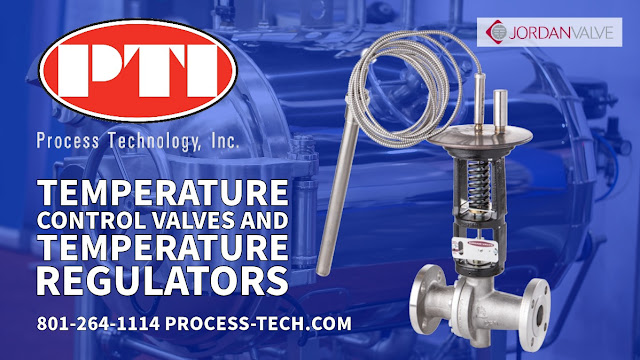
What Are Temperature Control Valves and Temperature Regulators?
Temperature control valves and temperature regulators, often known as TCVs, actively maintain the temperature of a process. They achieve this by regulating the pressure or flow of thermal fluid in various components such as compressors, tank jackets, and heating coils. These devices are essential in processes requiring stable temperatures unaffected by fluctuations in the surrounding environment.
Temperature regulators fall into two main categories: self-actuated and externally actuated. Self-actuated temperature regulators operate independently without the need for an external power source. They use a thermally sensitive material that expands and contracts in response to temperature changes. This expansion and contraction drive the actuator, adjusting the valve's position and altering the flow path of the thermal fluid toward the heating element. This mechanical actuation provides precise temperature control, particularly suitable for applications where the setpoint remains constant and does not require frequent adjustments. Additionally, self-actuated temperature regulators offer a cost-effective solution for effective temperature management. These regulators are also known as self-operated temperature regulators.
Externally actuated temperature control valves often play a critical role in complex control systems, integrating an external temperature sensor and a Proportional-Integral-Derivative (PID) controller. These valves necessitate an external power source for operation. In a typical setup, the operator sets a desired temperature on the PID controller, continuously receiving feedback from the temperature sensor monitoring the process. The PID controller then compares the set temperature with the actual process temperature reported by the sensor. Based on this comparison, it sends an electronic or pneumatic signal to the temperature control valve, instructing it to adjust its position. This adjustment ensures the maintenance of the process temperature at the set point. This type of valve is beneficial in applications requiring frequent adjustments of temperature set points for automation purposes.
How Does the Jordan Valve Mark 80 Series Temperature Regulator Function?
The Jordan Valve Mark 80 Series Temperature Regulator operates independently, eliminating the need for an external power source or costly additional instruments. This self-sufficiency is due to its unique design: the actuator connects to a sensing bulb via a capillary system containing a volatile fluid. When this fluid heats up, it vaporizes, creating pressure within the system. This pressure acts on the diaphragm, prompting the valve to open (in reverse-acting models) or close (in direct-acting models). The Mark 80 Series, featuring a seal welded actuator (SWA), results from extensive research, ensuring the most accurate temperature control. When paired with Jordan Valve's sliding gate valve technology, the Mark 80 regulator achieves superior control. For added versatility, it allows field adjustments of the set point and can accommodate different temperature ranges without removing the valve from its installation.
The Jordan Valve Temperature Regulator Series also presents various self-operated regulator configurations to cater to higher flows, fail-open or fail-close settings, tracing lines, and pilot operations.
Process Technology, Inc.https://process-tech.com
801-264-1114
From Quality Control to Regulatory Compliance: The Power of Process Analytics
In industry, the significance of process analytics is paramount. Various industries, from water treatment and chemical processing to food and beverage production and pharmaceutical manufacturing, rely on it. For these operations, the intricate dance of monitoring and controlling complex process parameters is not just desirable – it's indispensable. The stakes? Optimal process conditions, impeccable product quality, and adherence to environmental and safety regulations.
Core Process Parameters
pH:
A system's measure of acidity or alkalinity plays a pivotal role in many industrial processes. For instance, in water treatment, the correct pH ensures the effectiveness of disinfectants and prevents corrosion or scaling in pipes.
Oxidation-Reduction Potential (ORP):
This parameter measures the ability of a solution to either gain or lose electrons. In water treatment and chemical processing, it aids in understanding the disinfecting power of solutions.
Dissolved and Gaseous Oxygen:
Oxygen levels are crucial in various industries. For example, specific oxygen levels are essential in food and beverage production to prevent spoilage and ensure freshness. Meanwhile, sufficient oxygen levels are necessary for microbial degradation of pollutants in wastewater treatment.
Dissolved CO2:
In beverage industries for example, the concentration of dissolved CO2 is a significant factor in determining the carbonation level in drinks.
Ozone:
Often used as a potent disinfectant in water treatment, monitoring ozone levels is vital to ensure adequate disinfection without creating harmful byproducts.
Conductivity:
This measures a solution's ability to conduct electricity, often indicating the amount of dissolved salts or impurities. In processes like desalination, monitoring conductivity to determine water purity is crucial.
Turbidity:
This refers to the cloudiness or haziness of a fluid. In industries like water treatment, turbidity is a tell-tale sign of the number of particles present, affecting the efficacy of disinfection.
The Need for Accurate Measurement and Regulation
Process analytics isn't merely about knowing the numbers. It's about understanding these numbers and making informed decisions based on them. Here's why:
Maintaining Optimal Process Conditions:
The right conditions are paramount whether brewing the perfect beer or producing a life-saving drug. Even slight deviations can lead to suboptimal outcomes or render a batch useless.
Ensuring Product Quality:
Consistency is vital. For instance, nobody wants a flat soda one day and overly fizzy the next. Accurate process analytics ensures every product meets the required standards every time.
Regulatory Compliance:
Failing to meet established standards can have serious consequences, especially in sectors like pharmaceuticals or food production. Not only can it lead to hefty fines, but it can also endanger consumers' lives.
Process analytics is more than just a set of numbers. It's the backbone of numerous industries, ensuring that processes run smoothly and products meet standards and meeting regulations. As industrial operations evolve, so will the tools and techniques of process analytics, always striving for perfection in every drop, bite, or pill.
Process Tech, Inc.
801-264-1114
Siemens Process Instrumentation: Elevating Product Quality with Advanced Measurements
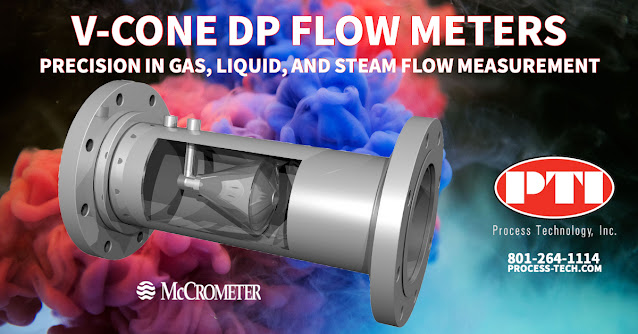
V-Cone DP Flow Meters: Precision in Gas, Liquid, and Steam Flow Measurement
Flow measurement is an essential aspect of various industrial processes, ensuring the effective and efficient use of resources. There are numerous types of flow sensors available, each with its unique advantages and drawbacks. However, V-Cone Differential Pressure (DP) flow meters have emerged as a popular choice for measuring the flow of gasses, liquids, and steam in various industries.
V-Cone DP Flow Meters: A Brief Overview
V-Cone DP flow meters utilize the principles of differential pressure measurement to determine the flow rate of fluids. The V-Cone, a cone-shaped object placed in the flow path, creates a controlled disturbance, leading to a pressure differential. The flow rate is accurately calculated by measuring this differential pressure and applying specific equations. The V-Cone DP flow meters are highly versatile, capable of handling various flow conditions for gasses, liquids, and steam.
Comparative Advantages of V-Cone DP Flow Meters
Accuracy and Reliability
V-Cone DP flow meters have a reputation for exceptional accuracy and reliability, with typical accuracy rates ranging from ±0.5% to ±1.0%. This precision is attributed to the flow conditioning effect of the V-Cone, which reduces the need for a long upstream straight pipe run, minimizing the impact of flow disturbances. The result is consistent and reliable measurements across a broad range of applications.
Versatility
V-Cone DP flow meters offer unparalleled versatility, accommodating various fluids, including gasses, liquids, and steam. This adaptability enables industries to use a single type of flow meter for numerous processes, reducing the need for multiple flow measurement devices and simplifying maintenance and calibration procedures.
Low-Pressure Loss
The design of V-Cone DP flow meters ensures a low permanent pressure loss, providing energy savings and reducing the overall cost of operation. The cone's shape and position create a stable, self-conditioning flow profile, reducing the pressure loss associated with other flow sensors.
Wide Turndown Ratio
V-Cone DP flow meters boast a wide turndown ratio, often reaching 10:1 or higher, allowing for accurate measurement over a broad range of flow rates. This broad operating range enables industries to optimize their processes, reducing waste and ensuring efficient resource utilization.
Low Maintenance and Longevity
The robust design and construction of V-Cone DP flow meters contribute to their low maintenance requirements and extended service life. With no moving parts, V-Cone flow meters are less prone to wear and tear, reducing the need for frequent maintenance and replacement. The V-Cone's resistance to erosion and debris buildup makes it suitable for harsh environments and applications involving corrosive or abrasive fluids.
V-Cone DP flow meters offer numerous advantages over other flow sensors, making them a preferred choice for measuring the flow of gasses, liquids, and steam in various industries. With exceptional accuracy, reliability, versatility, low-pressure loss, wide turndown ratio, and low maintenance requirements, V-Cone DP flow meters have become indispensable for optimizing industrial processes and ensuring efficient resource utilization.
McCrometer, a leading flow instrumentation company, has succeeded remarkably with its V-Cone flow meter. Leveraging over six decades of industry expertise, McCrometer has designed the V-Cone flow meter to deliver unparalleled accuracy, reliability, and versatility in measuring gasses, liquids, and steam. The company's innovative approach to flow measurement has made the V-Cone a popular choice in various industries, including oil and gas, chemical, power, and water management. Through continuous research and development, McCrometer remains committed to providing advanced flow measurement solutions that meet the ever-evolving needs of its customers.
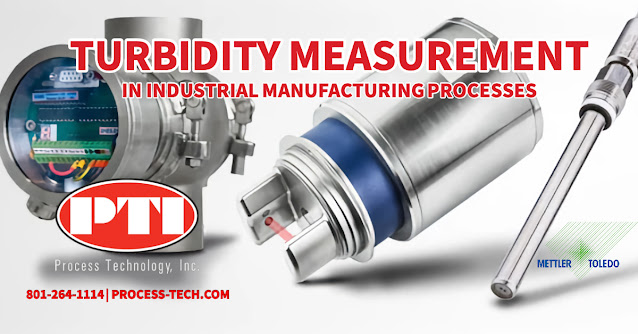
Why is Turbidity Measurement Important in Industrial Manufacturing Processes?
Turbidity measurement is essential to measure and control industrial manufacturing processes for several reasons:
- Product quality: In many industries, such as food and beverage, pharmaceutical, and cosmetic manufacturing, the clarity and appearance of the final product are essential for meeting quality standards and customer expectations. High turbidity can indicate the presence of impurities or contaminants, which may negatively impact the product's quality, safety, and shelf life.
- Process efficiency: Monitoring and controlling turbidity can help optimize manufacturing processes, ensuring efficient use of raw materials and resources. High turbidity levels may indicate that filtration or separation processes are not working effectively, leading to increased waste and higher production costs.
- Regulatory compliance: Many industries have strict regulations regarding their products' turbidity levels or wastewater discharges. Failure to comply with these regulations can lead to fines, penalties, and damage to a company's reputation. By monitoring and controlling turbidity, manufacturers can ensure they stay within regulatory limits and maintain a positive relationship with regulatory agencies.
- Environmental impact: In some cases, high turbidity levels can harm the environment, mainly if a manufacturing facility discharges its wastewater into natural water bodies. High turbidity can reduce light penetration in water, negatively impacting aquatic life and ecosystems. Monitoring and controlling turbidity levels can help companies minimize their environmental impact and adhere to sustainable practices.
- Equipment maintenance: High turbidity levels can lead to the accumulation of particles and contaminants in equipment, which can cause wear and tear, reducing the efficiency and lifespan of the machinery. By controlling turbidity, manufacturers can extend the life of their equipment and reduce maintenance costs.
Measuring and controlling turbidity in industrial manufacturing processes is essential for maintaining product quality, optimizing process efficiency, complying with regulations, minimizing environmental impact, and reducing equipment maintenance costs.
METTLER TOLEDO, a leading provider of precision instruments and services, offers a range of in-line turbidity sensors designed to deliver accurate measurements across a spectrum of turbidity levels, from low to high concentrations and in various industrial applications, such as monitoring fermentation processes in biotechnology and pharmaceutical manufacturing, observing crystallization in chemical and petrochemical industries, tracking phase separation in oil and gas production, evaluating post-filtration clarity in beer brewing, and assessing the quality of wastewater treatment in environmental management.
METTLER TOLEDO's in-line turbidity sensors offer an effective and reliable solution for monitoring and controlling turbidity levels in various industrial processes. By providing accurate, real-time measurements, these sensors help manufacturers maintain product quality, optimize process efficiency, comply with regulations, and minimize environmental impact.
What is Diagnostics and Integrity in Process Control?
Diagnostic and Integrity in process systems is a control philosophy that assesses and monitors machine components, cycle time, and instrumentation and refers to the accuracy and reliability of the diagnostic information generated and used in monitoring and controlling a process. The philosophy includes the validity of the sensors, algorithms, and systems that gather and analyze data to identify potential issues and the ability to correctly diagnose and respond to faults in the process to ensure optimal performance and prevent damage or downtime. Diagnostics integrity refers to the trustworthiness of the diagnostic information and systems used in monitoring and controlling industrial processes and the accuracy and reliability of the measurement and diagnostic data generated by the process control instruments. It is an essential aspect of process control as it ensures the safe and efficient operation of the process by detecting and diagnosing issues in real time.
Diagnostics and Integrity ensure that every component in the system is always working correctly.
Diagnostic and Integrity involves several areas of focus:
- Valid Sensors and Measurements: Sensors used in the process must be accurate and reliable, providing correct and consistent measurements of process variables. Regular calibration of sensors ensures their continued accuracy.
- Algorithm Accuracy: Algorithms used to analyze process data and detect potential issues must be accurate and reliable, including algorithms for detecting process anomalies, diagnosing faults, and predicting equipment failures.
- System Robustness: The process control system must be robust and able to handle unexpected conditions and failures, such as sensor or communication failures, without introducing additional errors or causing the process to become unstable.
- Response to Faults: The process control system must be capable of correctly diagnosing faults and responding appropriately and safely, which may involve shutting down parts of the process, adjusting process variables, or triggering alarms to alert operators.
- Data Management: The process control system must collect, store, and manage large amounts of diagnostic data, allowing operators to review and analyze the data to identify trends and potential issues.
The value of implementing Diagnostics and Integrity:
- OEM/End User value add differentiator.
- A system that is self-diagnostic (Downtime)
- Compensate for the gap in technical knowledge in the field.
- Ensure the components in the system are working correctly (Reliability)
- Alleviate extended downtime through the implementation of monitoring instrumentation.
- Alignment with quality requirements (Machine data)
- Ensure a reliable and repeatable process (Quality)
- Proactive fault indications prompting immediate action from maintenance and engineering (Downtime)
- Predictive maintenance and planning.
- Ensure machine and personnel safety.
- Onboarding new engineers (Monitoring PLC/HMI).
- Capture data when the device is performing at its best.
- Extracting and implementing tribal knowledge in the control platform.
- Increase OEE (Overall Equipment Effectiveness).
- Maximize the potential of the machine (Productivity and throughput).
- Increase profit margins through the understanding of machine capabilities.
PTI's Role: Presented with diagnostic issues over many years, PTI gained experience and developed an innovative approach to monitoring machine components and processes during normal operations, leading to the development of a program that provides custom solutions specific to your control processes.
- Through Evaluation: PTI assists in identifying the existing machine component monitoring system and relevant data needed to ensure a robust process.
- Through Training: PTI provides targeted instruction on the implementation of Diagnostics and Integrity.
- Through Implementation: PTI provides a custom self-diagnostic synopsis of your system or overall plant based on your operations, staff, and equipment, guiding your engineering staff through the steps to implement Diagnostics and Integrity in your platforms, ensuring process integrity.
Contact Process Technology for more information. Call them at 801-264-1114 or visit them at https://process-tech.com.