Showing posts with label #Processinstrumentation. Show all posts

Predictions for Process Control Instrumentation in 2024

Predictions for Process Control Instrumentation in 2024

Here are some leading technology predictions for the direction and focus of process control instrumentation in 2024:

  • Remote Monitoring and Control Solutions:
The continued adoption of remote monitoring and control solutions through new software technologies will enable earlier detection of performance issues in process control systems, sending early warnings and diagnostic reports to facilitate quicker response times and improve operational flexibility​​. 
 
  • Artificial Intelligence (AI) and Machine Learning:
AI and machine learning will revolutionize process control by enabling systems to learn and adapt autonomously. Advanced algorithms will analyze vast data to identify patterns, anomalies, and optimization opportunities. Tools will optimize PID control loops on the fly, improving efficiency and reducing downtime without intrusive plant step-tests​​. 
 
  • Edge Computing:
Edge computing is a distributed computing paradigm that brings data processing closer to the data source or "edge" of the network. Edge computing will become more prevalent in process control, bringing data processing closer to the start of data generation, reducing latency, and improving system response times, which is particularly valuable in industries where milliseconds can make a significant difference, like robotics and high-speed manufacturing​​. 
 
  • Cybersecurity Measures:
As process control systems become more interconnected and reliant on advanced technologies, robust cybersecurity measures will be paramount. Investments in encryption, intrusion detection systems, and comprehensive employee training programs will increase to protect sensitive industrial control systems from cyberattacks​​. 
 
  • Sustainability and Energy Efficiency:
Sustainability concerns will continue driving advancements in process control technology. Advanced control algorithms will optimize energy usage, and real-time monitoring will help identify areas for improvement in energy consumption and resource utilization. This focus on sustainability will lead to more energy-efficient operations and reduced environmental impact​​.


These predictions indicate a significant shift towards more intelligent, secure, and sustainable process control environments. As these technologies develop and integrate, they will offer new opportunities for optimization, collaboration, and protection in various industrial sectors.

Process Technology, Inc.
https://process-tech.com
801-264-1114

Siemens Process Instrumentation: Elevating Product Quality with Advanced Measurements


Process instrumentation is at new heights through the groundbreaking solutions provided by Siemens Process Instrumentation. Utilizing state-of-the-art technology, Siemens has developed a suite of innovative measurement systems designed to revolutionize operations in manufacturing plants and similar facilities. These solutions aim to increase plant efficiency by streamlining processes and reducing potential waste areas or slowdown.

One of the primary ways Siemens achieves this is by enhancing product quality. They do this by implementing advanced monitoring and controlling systems for various factors, including flow rates, temperature, pressure, and levels in a plant. By maintaining these factors at optimal levels, the products' quality can be greatly improved, reducing defects and increasing overall yield.

But Siemens doesn't stop there. In addition to the aspects above, they provide precise weighing and valve positioning solutions. These capabilities offer additional layers of control and precision in production processes. Whether it's ensuring the correct amount of material is used in a process or that a valve is positioned just right for optimal operation, Siemens Process Instrumentation is on the front line, elevating the standards of process control and optimization. Through their comprehensive suite of measurement tools, they continue to play a vital role in advancing industrial operations globally.

For more information about Siemens Process Instruments in Utah, Western Wyoming, Idaho, Northern Nevada, Arizona, New Mexico, Colorado, Eastern Wyoming, and Montana contact Process Technology, Inc.

801-264-1114

Enhance Your Facility's Performance with Local Expert Process Instrumentation Support

Local Process Instrumentation Support

A plant's process control instruments are crucial for many industries, including oil and gas, power generation, water treatment, and pharmaceuticals. The management of these assets is complex and resource intense. Contracting the instrument management to a qualified local firm often makes excellent sense. Choosing a locally certified service company that will consult, commission, start up, and provide ongoing service is often a wise decision, as they offer benefits that help optimize your facility's performance. 

Let's break down each segment of a comprehensive instrumentation support program:

Consulting

Process instrumentation consulting involves a comprehensive assessment of a facility's process control systems and instrumentation, identifying areas for optimization and improvement. This service thoroughly evaluates the existing control infrastructure, performance analysis, and recommendations for system enhancements or upgrades. Consultants work closely with facility operators to develop and implement strategies that improve efficiency, reliability, and regulatory compliance, ultimately contributing to the operation's overall success.


Commissioning

Process instrumentation commissioning is a vital phase in the lifecycle of a control system, ensuring that all components are correctly installed, calibrated, and functioning as intended before being put into operation. This process includes rigorous tests, inspections, and adjustments to verify that the instrumentation and control systems meet design specifications and performance requirements. Commissioning helps to identify and resolve any potential issues before the system is fully operational, reducing the risk of future downtime and ensuring a smooth transition to ongoing production.


Start Up

Process instrumentation start up is the critical phase during which a facility's control systems and instrumentation are brought online and integrated into production. This stage involves carefully coordinating the activation of various components, ensuring that they function seamlessly together and operate according to established parameters. Start up procedures may include:


  • Initial calibration.
  • Tuning of control loops.
  • Gradual ramping up of production levels to verify system stability and performance.


A successful start up ensures a smooth transition from commissioning to full-scale operation, minimizing potential disruptions and maximizing overall efficiency.


Ongoing Service

Instrumentation service agreements between a facility and a service provider define the scope of ongoing maintenance, support, and optimization of the facility's process control systems and instrumentation. These agreements typically include regular inspections, preventive maintenance, calibration, and system upgrades to ensure reliable and efficient operation. Additionally, service contracts often provide priority access to technical support, emergency response services, and expert advice for system improvements or expansions. By engaging in a service agreement, facility operators can maintain optimal performance, minimize downtime, and extend the life of their process control systems.


Process Technology, Inc. is a Local, Certified SIEMENS Instrumentation Service Provider


PTI is a locally SIEMENS certified service company with extensive knowledge and experience in many process control industries in the Mountain West, Front Range, and Southwest regions of the USA. They are familiar with your facility's unique challenges and requirements, as well as the local regulations and standards. PTI tailors instrumentation and maintenance programs to meet your specific needs and schedule. Additionally, PTI will always support your unplanned service needs, providing troubleshooting and a local inventory of instrumentation and analyzers to get you back up and running with minimum downtime. By partnering with PTI, you leverage their expertise to ensure that your process control instrumentation design, installation, and maintenance aligns in a way that maximizes efficiency and safety and complies with regional guidelines.


Siemens Level Instrumentation

Siemens Level Instrumentation

Industrial automation implements control systems, sensors, and computers, making processes safer and more productive while also improving the quality and speed of production. All kinds of manufacturing utilize industrial automation, from small-batch production to mass production. 

You will find industrial level control and measurement systems in many industries, including food and beverage, oil and gas, power generation, semiconductor manufacturing, pharmaceuticals, and petrochemical industries. Industrial level measurement is commonplace at an industrial site, manufacturing plant, processing facility, or large buildings where the material level in tanks, silos, bins, pipes, or other vessels needs monitoring. The application of different level transmitters and switches depends on the industry or manufacturing process. Level measurement keeps a product's quality high by determining the weight or volume of ingredients and making changes to the production process based on the instruments feedback, providing continuous improvement. 

Measurement at the industrial level is essential for ensuring that people working in plants, factories, and other industrial settings are safe. Industrial level measurement systems watch and control industrial processes to ensure they run smoothly and safely. Companies that make chemicals, pharmaceuticals, and hydrocarbons (products that need special care and attention because of their hazardous nature) use level transmitters and switches as part of their safety system, protecting the health and safety of workers and communities. Additionally, industrial level measurement is vital for protecting the environment from dangerous materials leaking or spilling. A person usually can't tell if a hazardous material leaks at an industrial plant just by looking. Accurate level measuring assists in determining if dangerous materials escape into the surrounding area, ensuring they don't contaminate the environment or water sources and make them unsafe.

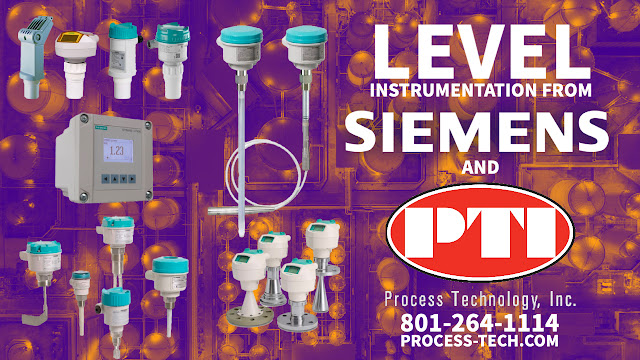
Siemens, a world leader in process control instrumentation and automation, manufactures a full line of level switches and transmitters that are arguably the most advanced on the market. Siemens level instruments improve product quality and plant safety and assist in protecting the environment and our natural resources.

Process Technology, Inc.
801-264-1114