Showing posts with label Idaho. Show all posts

Cutting-Edge Oxygen Sensing: Transforming Process Control Across Key Markets

Cutting-Edge Oxygen Sensing

Industrial oxygen analyzers play a critical role in modern process control by providing continuous, precise measurements of oxygen concentration in gas streams. Engineers integrate these instruments directly into control loops to optimize combustion efficiency, ensure safety, and maintain product quality. In combustion control applications, an accurate oxygen signal lets operators adjust fuel-to-air ratios in real-time, reducing excess oxygen that wastes energy and minimizing oxygen deficiency that produces harmful by-products such as carbon monoxide and nitrogen oxides. Beyond combustion, oxygen analyzers support the inerting and blanketing of storage tanks, where maintaining low oxygen levels prevents spontaneous ignition and protects product integrity.

Companies deploy industrial oxygen analyzers across various industries, from chemical processing and power generation to food and beverage packaging. Analyzers monitor reactor feed gases in the chemical sector to optimize reaction kinetics and maximize yield. Refiners rely on oxygen measurements in flare gas recovery systems to comply with emissions regulations while capturing valuable hydrocarbons. Biogas and landfill gas operators use trace oxygen analyzers to gauge feedstock quality for downstream combustion or upgrading facilities. Meanwhile, the pulp and paper industry measures oxygen in bleaching processes to balance chemical consumption against fiber brightness goals. These applications demonstrate how oxygen analysis underpins process safety, environmental compliance, and cost control.

The largest markets for industrial oxygen analyzers include oil and gas, chemical processing, metals and mining, and pharmaceuticals. In oil and gas, companies install analyzers at wellheads, pipelines, and processing plants to monitor oxygen in natural gas streams, preventing corrosion and ensuring accurate custody transfer. Chemical producers account for a significant share of analyzer demand, where precise oxygen control drives reaction efficiency in reactors and separators. The metals and mining sector uses high-purity oxygen in steelmaking and non-ferrous metal refining, necessitating analyzers that handle high temperatures and abrasive atmospheres. Pharmaceuticals represent a fast-growing segment, leveraging oxygen analyzers to validate sterile environments and control oxidative processes in active ingredient synthesis.

Amid this competitive landscape, the Panametrics (Baker Hughes) XMO2pro oxygen analyzer stands out as the ultimate solution for harsh environments and oil and gas applications. Panametrics engineered the XMO2pro around a thermoparamagnetic sensor cell that resists contamination better than traditional electrochemical sensors. The dual-chamber design directs sample flow through a rugged lower chamber, shielding the measurement cell while some of the gas diffuses into the upper chamber for analysis. A powerful magnet draws oxygen molecules toward matched thermistors, creating a “magnetic wind” that distorts a Wheatstone bridge and generates a signal directly proportional to oxygen concentration.

XMO2pro delivers percent-level measurements across a broad range of 0.01% to 100% oxygen, with an accuracy of ±1% of span and repeatability of ±0.2% of span. With its fast-response option, the analyzer achieves typical response times under 15 seconds and maintains zero stability within ±1%. Operators appreciate its long-term reliability since the sensor contains no moving parts and requires no consumables. Panametrics certified the XMO2pro to SIL 2 standards by design, giving safety engineers confidence in its performance under fault conditions.

Furthermore, the XMO2pro fits seamlessly into modern control architectures. It provides two isolated 4–20 mA outputs with fully programmable zero and span settings and a Modbus RS232/RS485 port for digital communications. Panametrics offers a suite of sample systems to deliver representative gas to the analyzer at optimal temperature and pressure, eliminating complex conditioning in most installations. The compact, explosion-proof enclosure mounts directly at the measurement point, shortening response times and reducing installation costs. Baker Hughes equips the XMO2pro with a high-contrast display and magnetic keypad, enabling operators to quickly configure ranges and compensation algorithms, even in noisy or hazardous environments.

In rigorous oil and gas service, where ambient temperatures swing from Arctic chills to desert heat and where dust, moisture, and corrosive gases pose constant threats, the XMO2pro excels. Its IP66/IP67 weatherproof rating and optional stainless steel housing withstand severe conditions, while its automatic background gas and atmospheric pressure compensation ensures consistent accuracy without manual recalibration. By combining proven thermoparamagnetic technology with Baker Hughes’s global support network, Panametrics empowers operators to drive efficiency, protect assets, and meet stringent environmental standards. For process control teams seeking a robust, high-precision oxygen analyzer that thrives in the world’s toughest plants, the XMO2pro represents the unmistakable choice.

https://process-tech.com
801-264-1114

Oxygen Flow Made Simple by EPI Thermal Mass Meters

Oxygen Flow Made Simple by EPI Thermal Mass Meters

Eldridge Products Inc. (EPI) designs thermal mass flow meters that deliver reliable and precise oxygen measurements in various industrial applications. Many processes demand accurate oxygen flow data because even a slight deviation from optimal levels can affect combustion efficiency, degrade wastewater treatment outcomes, or compromise the consistency of industrial gas delivery. EPI addresses these critical demands by developing thermal mass flow meters that respond quickly to changes in flow and handle the unique challenges posed by oxygen’s physical and chemical properties.

Oxygen’s low density and high reactivity often create issues for traditional flow measurement methods. Some meters fail to read low flows accurately, and others require long straight-run sections to stabilize velocity profiles. EPI reduces these complications by incorporating Flow Averaging Tube (FAT) technology, which ensures consistent velocity sampling across the entire cross-section of the pipe. Operators gain stable, repeatable measurements even when space constraints limit the availability of long straight runs. This advantage proves especially valuable in facilities that must retrofit existing infrastructure or fit meters into tight layouts.

EPI’s thermal mass flow meters use a heating element and temperature sensors that interact with the moving gas stream. Their direct mass flow measurement principle captures the mass of oxygen flowing through the pipe rather than inferring mass from volume and temperature data. This approach eliminates additional pressure or temperature compensation, making installation and maintenance more straightforward. Operators who rely on these meters notice high turndown ratios, allowing the instrument to measure very low and very high flows with minimal compromise on accuracy. This versatility becomes essential in applications like combustion control, where oxygen demand can fluctuate drastically during startup, steady-state operation, and shutdown phases.

Wastewater treatment plants also benefit from this robust turndown capability because aeration requirements shift over time, and the process does not always follow a uniform flow profile. EPI’s meters adjust to these dynamic conditions and provide precise data that helps operators fine-tune aeration rates. When plants achieve this level of control, they save energy by avoiding excessive oxygen injection while meeting strict effluent quality standards. Over-aeration leads to wasted energy and higher costs, so tighter oxygen monitoring pays off economically and environmentally.

Medical and pharmaceutical processes depend on clean, accurately measured oxygen delivery, and EPI’s thermal mass flow meters adapt well to those scenarios. The stable sensor design measures gas flow without imposing a significant pressure drop, which helps maintain system integrity and product quality. Because thermal mass flow meters require little routine calibration, operators spend less time performing maintenance tasks that disrupt critical procedures. Minimizing downtime takes priority in any high-stakes environment, and the reliability of EPI’s instruments supports that goal.

Operators who install EPI’s thermal mass flow meters often report simpler setups and lower total cost of ownership. The sensors feature robust construction that resists corrosion and does not rely on moving parts that would degrade in corrosive environments. The intuitive user interface allows quick adjustments when flow patterns change, and remote monitoring options offer immediate visibility into real-time gas consumption. These features contribute to smoother overall operation and heightened confidence in the accuracy of oxygen flow measurements.

EPI recognizes the importance of maintaining stable processes in industries that work with oxygen, and it consistently refines its thermal mass flow meters to meet evolving demands. By leveraging FAT technology, achieving high turndown ratios, and offering minimal straight-run requirements, EPI flow meters help facilities capture accurate flow data, optimize oxygen usage, and ensure safe, reliable operation. This commitment to innovation and practical design underlines EPI’s reputation as a trustworthy partner for organizations that rely on precise oxygen flow measurement.

https://process-tech.com
801-264-1114

Thermal Mass Flowmeters: Advancing Efficiency in Industrial Applications

Thermal Mass Flowmeters: Advancing Efficiency in Industrial Applications

Thermal mass flowmeters have become indispensable tools in various industries. They provide accurate and reliable measurements of gas flow rates. Their unique operating principles and performance characteristics make them suitable for applications ranging from boilers to wastewater aeration, oxidizers, and flares.

Understanding Thermal Mass Flowmeters


At the core of thermal mass flowmeter technology lies the principle of thermal dispersion. These devices measure the mass flow rate of gases by detecting temperature changes. Two temperature sensors are used: one heated and one unheated (reference). As gas flows over the heated sensor, it carries heat away, causing a temperature drop proportional to the mass flow rate. The flowmeter measures the energy required to maintain the temperature difference between the sensors, thereby calculating the mass flow directly without needing pressure or temperature compensation.

Performance and Advantages


Thermal mass flowmeters offer several advantages over other flow measurement technologies. They provide direct mass flow measurements, eliminating the errors associated with density fluctuations. Their wide turndown ratio allows for accurate readings over a vast range of flow rates, making them ideal for processes with variable demand. Additionally, they exhibit low-pressure drop and minimal intrusion into the flow, preserving system efficiency and reducing energy costs.

Common Applications


In boiler systems, thermal mass flowmeters monitor fuel gas and combustion air to optimize combustion efficiency, reduce emissions, and ensure safe operation. Accurate gas flow measurement enables precise control of the air-to-fuel ratio, leading to energy savings and compliance with environmental regulations.

Wastewater treatment facilities rely on thermal mass flowmeters for aeration control. By measuring the flow of air or oxygen injected into aeration basins, operators can maintain optimal dissolved oxygen levels, promoting efficient microbial activity for waste breakdown. This control reduces energy consumption and enhances treatment performance.

Oxidizers, used to destroy volatile organic compounds (VOCs) and hazardous air pollutants (HAPs), benefit from thermal mass flowmeters in monitoring and controlling the flow of process gases. Precise flow measurement ensures that oxidizers operate within design parameters, maximizing destruction efficiency and minimizing operational costs.

In flare gas systems, thermal mass flowmeters provide critical data for compliance and reporting. Accurate measurement of flare gas helps monitor emissions, detect leaks, and optimize flare performance. The ability to handle low flow rates and variable gas compositions makes thermal mass flowmeters particularly suitable for flare applications.

EPI Thermal Flowmeters: The FAT Probe Advantage


EPI offers advanced thermal flowmeter solutions that address common challenges in industrial applications. Their FAT probe stands out with its ability to perform accurately with as little as 5-7 pipe diameters of straight-run, about half the length required by typical thermal mass flowmeters with flow conditioners. This feature proves invaluable in retrofit projects or installations with limited straight-run piping, where space constraints often hinder the placement of conventional flowmeters.

The FAT probe's design provides engineers with greater flexibility in system layout and reduces installation costs. Its accuracy and reliability remain strong despite the reduced straight-run requirement, ensuring consistent performance in demanding environments. By choosing EPI's thermal flowmeters, engineers can enhance process control, improve efficiency, and achieve compliance with industry standards.

Thermal mass flowmeters are crucial in optimizing industrial processes by providing precise gas flow measurements. Their application in boilers, wastewater aeration, oxidizers, and flares demonstrates their versatility and effectiveness. EPI's innovative thermal flowmeters, notably the FAT probe, offer significant advantages in installations with space limitations. Engineers seeking efficient, reliable, and flexible flow measurement solutions will find EPI's products valuable to their systems.

https://process-tech.com
801-264-1114


Enhancing Safety and Hydrogen Purity in Water Electrolysis with Advanced Gas and Moisture Analyzers

Enhancing Safety and Hydrogen Purity in Water Electrolysis with Advanced Gas and Moisture Analyzers

Download Panametrics' white paper titled "Ensuring Process Safety and Product Quality in Water Electrolysis Using Oxygen, Hydrogen, and Moisture Analyzers" to learn how advanced analyzers enhance safety and ensure hydrogen purity in water electrolysis processes.


As the global demand for clean energy intensifies, hydrogen emerges as a promising solution to reduce carbon emissions and transition toward a sustainable future. Water electrolysis, a critical method for producing green hydrogen, requires the highest levels of hydrogen purity. Contaminants can compromise the efficiency of hydrogen as a fuel and the safety of its production and utilization. Gas and moisture analyzers play an indispensable role in maintaining the integrity of water electrolysis processes, ensuring the highest levels of hydrogen purity, and enhancing safety.

Hydrogen's effectiveness as an energy carrier hinges on its purity. Impurities such as oxygen, nitrogen, and moisture can harm hydrogen fuel cells, industrial applications, and storage systems. For instance, oxygen contamination can lead to explosive mixtures, posing significant safety hazards. Moisture can cause corrosion in pipelines and storage tanks, while nitrogen can reduce the calorific value of hydrogen, affecting its performance. Therefore, monitoring and controlling these contaminants become essential for any hydrogen production facility aiming for excellence.

Several factors can introduce impurities into the hydrogen stream in water electrolysis. The water and electrolytes might contain dissolved gases or minerals that transfer into the hydrogen produced. Gas crossover, especially in proton exchange membrane (PEM) electrolyzers, can occur when hydrogen and oxygen permeate through the membrane, leading to cross-contamination. Also, system leaks can allow atmospheric gases to infiltrate the hydrogen stream. Addressing these challenges requires precise and continuous monitoring, where gas and moisture analyzers come into play.

Gas analyzers serve as the first line of defense by detecting and quantifying unwanted gases within the hydrogen stream. They provide real-time data on contaminants like oxygen and nitrogen, enabling operators to make immediate adjustments to the process. For example, if oxygen levels rise beyond acceptable limits, operators can investigate potential membrane failures or system leaks promptly. This proactive approach not only maintains hydrogen purity but also prevents hazardous situations that could arise from combustible gas mixtures, underscoring the preventive role of gas analyzers.

Moisture analyzers, on the other hand, focus on measuring the water vapor content in the hydrogen gas. They play a crucial role in preventing several operational issues. In fuel cells, high moisture levels can degrade the proton exchange membranes, reducing their efficiency and lifespan. Moisture can also freeze in cryogenic systems, causing blockages and equipment damage. By keeping moisture levels within specified parameters, moisture analyzers help prevent corrosion, maintain the performance of fuel cells, and ensure the smooth operation of storage and transportation systems, underscoring their role in preventing operational issues.

Integrating gas and moisture analyzers into water electrolysis setups enhances safety and efficiency. These instruments provide the data necessary to optimize the electrolysis process, such as adjusting the operating conditions to minimize gas crossover or improving the purity of input water and electrolytes. They also help facilities comply with industry standards and regulations regarding hydrogen purity, crucial for applications in sensitive sectors like aerospace, medical, and energy generation.

Moreover, the use of these analyzers contributes to long-term cost savings. Facilities can avoid costly repairs, downtime, and equipment replacements by preventing contamination-related issues. High-purity hydrogen also commands a premium in the market, offering a competitive advantage to producers who consistently deliver superior quality.

The commitment to producing pure hydrogen aligns with the broader environmental sustainability goals and technological advancement. As industries adopt hydrogen as a clean energy source, safety, reliability, and performance expectations continue to rise. Gas and moisture analyzers represent the technological advancements that make it possible to meet these expectations. They embody the precision and control required in modern industrial processes, ensuring the push toward a hydrogen economy is effective and safe.

Gas and moisture analyzers are critical components in the water electrolysis process for hydrogen production. They enable detecting and controlling impurities that can compromise hydrogen purity, safety, and efficiency. These instruments provide real-time monitoring and data analysis, allowing operators to maintain optimal conditions within the electrolysis system. As the world moves toward greater reliance on hydrogen as a clean energy source, the role of gas and moisture analyzers will become even more significant. Investing in high-quality analyzers is a technical necessity and a strategic move supporting achieving a sustainable and carbon-neutral future.

Discover how to enhance process safety and product quality in water electrolysis by utilizing advanced oxygen, hydrogen, and moisture analyzers. Panametrics in-depth white paper explores these analyzers' vital role in maintaining hydrogen purity and optimizing electrolysis processes. Unlock valuable insights and practical solutions to ensure your hydrogen production meets the highest standards. Download the white paper now at https://www.h2-view.com/white-paper/ensuring-process-safety-and-product-quality-in-water-electrolysis-using-oxygen-hydrogen-and-moisture-analyzers/2108903.article/#whitepaperform.

Red Lion Rolls Out High-Performance RTUs for Demanding Industrial Applications

High-Performance RTUs for Demanding Industrial Applications

Industrial Remote Terminal Units (RTUs) are critical components in industrial automation and control systems. These devices interface with field equipment, gather data, and transmit it to a central control system. RTUs typically operate in harsh industrial environments, monitoring and controlling machinery, processes, and other systems. They are often used in manufacturing plants to provide real-time data on system performance, enabling operators to make informed decisions that enhance efficiency, reduce downtime, and improve safety.

RTUs have input/output (I/O) interfaces to connect with sensors, actuators, and other devices. They collect data from these sources and communicate it to a supervisory control and data acquisition (SCADA) system or other central controllers via wired or wireless networks. In addition to data acquisition, RTUs can execute control commands, automate processes, and provide remote monitoring capabilities, making them essential for maintaining the smooth operation of industrial processes and ensuring that plants can operate continuously and efficiently, even in remote or hazardous environments.

Red Lion Controls introduced two new programmable Remote Terminal Units (RTUs), the VT-MIPM-138-D and VT-MIPM-248-D, specifically designed to excel in extreme industrial environments. These rugged industrial controllers come with onboard I/O and handle demanding process-oriented applications such as water and wastewater treatment, oil and gas production, and other advanced automation systems.

These RTUs offer robust, standalone control for even the most challenging industrial processes. They feature automatic datalogging, timestamping, and logging capabilities for trends, alarms, and event sequences, providing operators with comprehensive visibility into their operations. Red Lion Workbench’s IEC 61131 programming environment allows extensive programming and troubleshooting, while ISaGRAF support ensures backward compatibility. The units also boast an open system design, supporting Ethernet TCP, Modbus, and Linux.

Ideal for use in water, wastewater, and oil and gas processing facilities, the VT RTUs are pre-certified and allow operators to scale from 1 to over 1000 stations quickly. They feature multi-user connectivity through 10/100 Ethernet ports, RS232 and RS485 interfaces, and up to four communication ports. The onboard I/O includes a mix of digital inputs, digital outputs, analog inputs, and analog outputs. Advanced communication capabilities, such as reporting on exceptions, store and forward, and peer-to-peer networking, further enhance their utility.

Designed for hazardous environments, these controllers are rated for operating temperatures ranging from -40°C to 70°C and carry UL Class I, Division 2, CE, and ABS Type certifications.

For more information about these Red Lion Controls RTUs in Utah, Western Wyoming, Idaho, Northern Nevada, Arizona, New Mexico, Colorado, Eastern Wyoming, and Montana contact Process Technology, Inc.

https://process-tech.com
801-264-1114

Enhancing Craft Beer Quality with High-Quality Measurement Solutions

Enhancing Craft Beer Quality with High-Quality Measurement Solutions

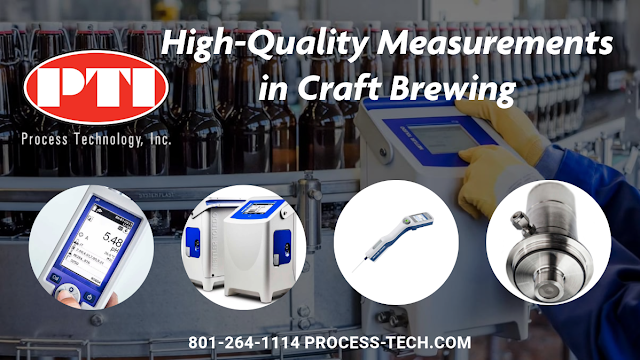
Craft brewing has experienced a significant surge in popularity over the past decade, with consumers increasingly seeking unique and high-quality beer experiences. Craft breweries must closely monitor and control various parameters throughout the brewing process to ensure consistent product quality and flavor profiles. The most critical measurements are pH, dissolved oxygen, dissolved CO2, gaseous oxygen, conductivity, and turbidity. By investing in high-quality instruments for these measurements, craft breweries can positively impact their product quality and maintain a competitive edge in the market.

1. pH Measurement:

pH plays a crucial role in the brewing process, as it affects enzyme activity, yeast health, and the overall flavor and stability of the final product. Accurate pH measurement is essential during mashing, as the optimal pH range (5.2-5.6) ensures efficient starch conversion and extraction of fermentable sugars. During fermentation, yeast activity can cause pH shifts, which need monitoring to prevent off-flavors and ensure consistent fermentation. High-quality pH meters with automatic temperature compensation and calibration capabilities help brewers maintain tight control over pH levels, resulting in better product consistency and quality.

2. Dissolved Oxygen (DO) Measurement:

Oxygen plays a vital role in yeast health and fermentation, but excessive oxygen exposure can lead to oxidation and the development of stale, cardboard-like flavors in the finished beer. Measuring dissolved oxygen levels at various stages of the brewing process, particularly before and after fermentation, helps brewers ensure that their beer is not over-exposed to oxygen. High-quality DO meters with fast response times and minimal drift provide accurate and reliable measurements, allowing brewers to make informed decisions about oxygen management and prevent oxidation-related quality issues.

3. Dissolved CO2 Measurement:

Dissolved carbon dioxide (CO2) is responsible for beer's carbonation and mouthfeel. Accurate measurement of dissolved CO2 helps brewers achieve the desired level of carbonation for each beer style and maintain consistency across batches. High-quality dissolved CO2 meters with automatic pressure and temperature compensation provide precise measurements, enabling brewers to fine-tune their carbonation levels and ensure that their beers balance bubbles and creaminess.

4. Gaseous Oxygen Measurement:

In addition to dissolved oxygen, monitoring gaseous oxygen levels in the headspace of fermentation tanks and packaging lines is critical for preventing oxidation and ensuring beer quality. High-quality gaseous oxygen analyzers with low detection limits and fast response times allow brewers to quickly identify and address any oxygen ingress issues, minimizing the risk of oxidation and preserving their beers' freshness and flavor stability.

5. Conductivity Measurement:

Conductivity measures the total dissolved solids in water, which can impact beer's flavor, mouthfeel, and stability. Monitoring conductivity during brewing helps brewers ensure that their water chemistry is consistent and appropriate for each beer style. High-quality conductivity meters with automatic temperature compensation and wide measurement ranges provide accurate and reliable measurements, enabling brewers to decide about water treatment and ingredient additions.

6. Turbidity Measurement:

Turbidity, or beer's cloudiness, is an essential quality parameter that affects the final product's appearance and perceived quality. While some beer styles, such as hefeweizens, are intentionally cloudy, most beers are clear and haze-free. High-quality turbidity meters with low detection limits and good repeatability allow brewers to monitor the clarity of their beers throughout the brewing process and make necessary adjustments to ensure that their beers meet customer expectations for appearance and quality.

Investing in high-quality instruments for pH, dissolved oxygen, dissolved CO2, gaseous oxygen, conductivity, and turbidity measurements is crucial for craft breweries seeking to produce consistently high-quality beers. By accurately monitoring and controlling these critical parameters, brewers can optimize their processes, prevent quality issues, and deliver exceptional beer experiences to their customers. As the craft brewing industry continues to grow and evolve, those breweries that prioritize quality and invest in reliable measurement solutions will be well-positioned to succeed in an increasingly competitive market.

Process Technology, Inc.
https://process-tech.com
801-264-1114

What Are Temperature Control Valves and Temperature Regulators?

What Are Temperature Control Valves and Temperature Regulators?

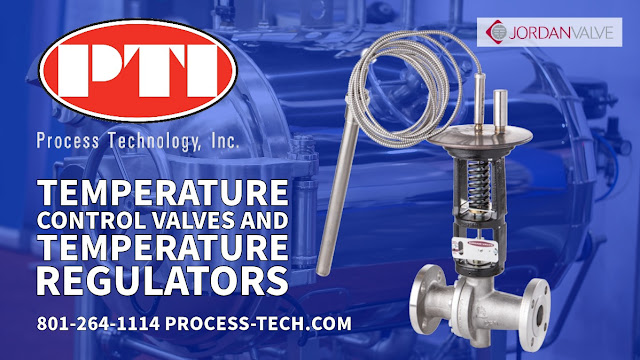
Temperature control valves and temperature regulators, often known as TCVs, actively maintain the temperature of a process. They achieve this by regulating the pressure or flow of thermal fluid in various components such as compressors, tank jackets, and heating coils. These devices are essential in processes requiring stable temperatures unaffected by fluctuations in the surrounding environment.

Temperature regulators fall into two main categories: self-actuated and externally actuated. Self-actuated temperature regulators operate independently without the need for an external power source. They use a thermally sensitive material that expands and contracts in response to temperature changes. This expansion and contraction drive the actuator, adjusting the valve's position and altering the flow path of the thermal fluid toward the heating element. This mechanical actuation provides precise temperature control, particularly suitable for applications where the setpoint remains constant and does not require frequent adjustments. Additionally, self-actuated temperature regulators offer a cost-effective solution for effective temperature management. These regulators are also known as self-operated temperature regulators.

Externally actuated temperature control valves often play a critical role in complex control systems, integrating an external temperature sensor and a Proportional-Integral-Derivative (PID) controller. These valves necessitate an external power source for operation. In a typical setup, the operator sets a desired temperature on the PID controller, continuously receiving feedback from the temperature sensor monitoring the process. The PID controller then compares the set temperature with the actual process temperature reported by the sensor. Based on this comparison, it sends an electronic or pneumatic signal to the temperature control valve, instructing it to adjust its position. This adjustment ensures the maintenance of the process temperature at the set point. This type of valve is beneficial in applications requiring frequent adjustments of temperature set points for automation purposes.

How Does the Jordan Valve Mark 80 Series Temperature Regulator Function?

The Jordan Valve Mark 80 Series Temperature Regulator operates independently, eliminating the need for an external power source or costly additional instruments. This self-sufficiency is due to its unique design: the actuator connects to a sensing bulb via a capillary system containing a volatile fluid. When this fluid heats up, it vaporizes, creating pressure within the system. This pressure acts on the diaphragm, prompting the valve to open (in reverse-acting models) or close (in direct-acting models). The Mark 80 Series, featuring a seal welded actuator (SWA), results from extensive research, ensuring the most accurate temperature control. When paired with Jordan Valve's sliding gate valve technology, the Mark 80 regulator achieves superior control. For added versatility, it allows field adjustments of the set point and can accommodate different temperature ranges without removing the valve from its installation.

The Jordan Valve Temperature Regulator Series also presents various self-operated regulator configurations to cater to higher flows, fail-open or fail-close settings, tracing lines, and pilot operations.

Process Technology, Inc.
https://process-tech.com
801-264-1114

From Quality Control to Regulatory Compliance: The Power of Process Analytics

From Quality Control to Regulatory Compliance: The Power of Process Analytics

In industry, the significance of process analytics is paramount. Various industries, from water treatment and chemical processing to food and beverage production and pharmaceutical manufacturing, rely on it. For these operations, the intricate dance of monitoring and controlling complex process parameters is not just desirable – it's indispensable. The stakes? Optimal process conditions, impeccable product quality, and adherence to environmental and safety regulations.


Core Process Parameters


pH: 

A system's measure of acidity or alkalinity plays a pivotal role in many industrial processes. For instance, in water treatment, the correct pH ensures the effectiveness of disinfectants and prevents corrosion or scaling in pipes.


Oxidation-Reduction Potential (ORP)

This parameter measures the ability of a solution to either gain or lose electrons. In water treatment and chemical processing, it aids in understanding the disinfecting power of solutions.


Dissolved and Gaseous Oxygen: 

Oxygen levels are crucial in various industries. For example, specific oxygen levels are essential in food and beverage production to prevent spoilage and ensure freshness. Meanwhile, sufficient oxygen levels are necessary for microbial degradation of pollutants in wastewater treatment.


Dissolved CO2

In beverage industries for example, the concentration of dissolved CO2 is a significant factor in determining the carbonation level in drinks.


Ozone: 

Often used as a potent disinfectant in water treatment, monitoring ozone levels is vital to ensure adequate disinfection without creating harmful byproducts.


Conductivity: 

This measures a solution's ability to conduct electricity, often indicating the amount of dissolved salts or impurities. In processes like desalination, monitoring conductivity to determine water purity is crucial.


Turbidity: 

This refers to the cloudiness or haziness of a fluid. In industries like water treatment, turbidity is a tell-tale sign of the number of particles present, affecting the efficacy of disinfection.


The Need for Accurate Measurement and Regulation


Process analytics isn't merely about knowing the numbers. It's about understanding these numbers and making informed decisions based on them. Here's why:


Maintaining Optimal Process Conditions: 

The right conditions are paramount whether brewing the perfect beer or producing a life-saving drug. Even slight deviations can lead to suboptimal outcomes or render a batch useless.


Ensuring Product Quality

Consistency is vital. For instance, nobody wants a flat soda one day and overly fizzy the next. Accurate process analytics ensures every product meets the required standards every time.


Regulatory Compliance: 

Failing to meet established standards can have serious consequences, especially in sectors like pharmaceuticals or food production. Not only can it lead to hefty fines, but it can also endanger consumers' lives.


Process analytics is more than just a set of numbers. It's the backbone of numerous industries, ensuring that processes run smoothly and products meet standards and meeting regulations. As industrial operations evolve, so will the tools and techniques of process analytics, always striving for perfection in every drop, bite, or pill.


Process Tech, Inc.

https://process-tech.com

801-264-1114

Siemens Process Instrumentation: Elevating Product Quality with Advanced Measurements


Process instrumentation is at new heights through the groundbreaking solutions provided by Siemens Process Instrumentation. Utilizing state-of-the-art technology, Siemens has developed a suite of innovative measurement systems designed to revolutionize operations in manufacturing plants and similar facilities. These solutions aim to increase plant efficiency by streamlining processes and reducing potential waste areas or slowdown.

One of the primary ways Siemens achieves this is by enhancing product quality. They do this by implementing advanced monitoring and controlling systems for various factors, including flow rates, temperature, pressure, and levels in a plant. By maintaining these factors at optimal levels, the products' quality can be greatly improved, reducing defects and increasing overall yield.

But Siemens doesn't stop there. In addition to the aspects above, they provide precise weighing and valve positioning solutions. These capabilities offer additional layers of control and precision in production processes. Whether it's ensuring the correct amount of material is used in a process or that a valve is positioned just right for optimal operation, Siemens Process Instrumentation is on the front line, elevating the standards of process control and optimization. Through their comprehensive suite of measurement tools, they continue to play a vital role in advancing industrial operations globally.

For more information about Siemens Process Instruments in Utah, Western Wyoming, Idaho, Northern Nevada, Arizona, New Mexico, Colorado, Eastern Wyoming, and Montana contact Process Technology, Inc.

801-264-1114

V-Cone DP Flow Meters: Precision in Gas, Liquid, and Steam Flow Measurement

V-Cone DP Flow Meters: Precision in Gas, Liquid, and Steam Flow Measurement

Flow measurement is an essential aspect of various industrial processes, ensuring the effective and efficient use of resources. There are numerous types of flow sensors available, each with its unique advantages and drawbacks. However, V-Cone Differential Pressure (DP) flow meters have emerged as a popular choice for measuring the flow of gasses, liquids, and steam in various industries.


V-Cone DP Flow Meters: A Brief Overview


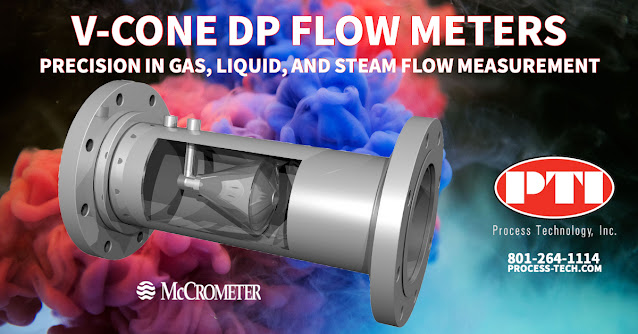
V-Cone DP flow meters utilize the principles of differential pressure measurement to determine the flow rate of fluids. The V-Cone, a cone-shaped object placed in the flow path, creates a controlled disturbance, leading to a pressure differential. The flow rate is accurately calculated by measuring this differential pressure and applying specific equations. The V-Cone DP flow meters are highly versatile, capable of handling various flow conditions for gasses, liquids, and steam.


Comparative Advantages of V-Cone DP Flow Meters


Accuracy and Reliability

V-Cone DP flow meters have a reputation for exceptional accuracy and reliability, with typical accuracy rates ranging from ±0.5% to ±1.0%. This precision is attributed to the flow conditioning effect of the V-Cone, which reduces the need for a long upstream straight pipe run, minimizing the impact of flow disturbances. The result is consistent and reliable measurements across a broad range of applications.


Versatility

V-Cone DP flow meters offer unparalleled versatility, accommodating various fluids, including gasses, liquids, and steam. This adaptability enables industries to use a single type of flow meter for numerous processes, reducing the need for multiple flow measurement devices and simplifying maintenance and calibration procedures.


Low-Pressure Loss

The design of V-Cone DP flow meters ensures a low permanent pressure loss, providing energy savings and reducing the overall cost of operation. The cone's shape and position create a stable, self-conditioning flow profile, reducing the pressure loss associated with other flow sensors.


Wide Turndown Ratio

V-Cone DP flow meters boast a wide turndown ratio, often reaching 10:1 or higher, allowing for accurate measurement over a broad range of flow rates. This broad operating range enables industries to optimize their processes, reducing waste and ensuring efficient resource utilization.


Low Maintenance and Longevity

The robust design and construction of V-Cone DP flow meters contribute to their low maintenance requirements and extended service life. With no moving parts, V-Cone flow meters are less prone to wear and tear, reducing the need for frequent maintenance and replacement. The V-Cone's resistance to erosion and debris buildup makes it suitable for harsh environments and applications involving corrosive or abrasive fluids.


V-Cone DP flow meters offer numerous advantages over other flow sensors, making them a preferred choice for measuring the flow of gasses, liquids, and steam in various industries. With exceptional accuracy, reliability, versatility, low-pressure loss, wide turndown ratio, and low maintenance requirements, V-Cone DP flow meters have become indispensable for optimizing industrial processes and ensuring efficient resource utilization.


McCrometer, a leading flow instrumentation company, has succeeded remarkably with its V-Cone flow meter. Leveraging over six decades of industry expertise, McCrometer has designed the V-Cone flow meter to deliver unparalleled accuracy, reliability, and versatility in measuring gasses, liquids, and steam. The company's innovative approach to flow measurement has made the V-Cone a popular choice in various industries, including oil and gas, chemical, power, and water management. Through continuous research and development, McCrometer remains committed to providing advanced flow measurement solutions that meet the ever-evolving needs of its customers.


Process Technology, Inc.
801-264-1114


Why is Turbidity Measurement Important in Industrial Manufacturing Processes?

5 Top Reasons Why is Turbidity Measurement Important in Industrial Manufacturing Processes

Turbidity measurement is essential to measure and control industrial manufacturing processes for several reasons:


  1. Product quality: In many industries, such as food and beverage, pharmaceutical, and cosmetic manufacturing, the clarity and appearance of the final product are essential for meeting quality standards and customer expectations. High turbidity can indicate the presence of impurities or contaminants, which may negatively impact the product's quality, safety, and shelf life.
  2. Process efficiency: Monitoring and controlling turbidity can help optimize manufacturing processes, ensuring efficient use of raw materials and resources. High turbidity levels may indicate that filtration or separation processes are not working effectively, leading to increased waste and higher production costs.
  3. Regulatory compliance: Many industries have strict regulations regarding their products' turbidity levels or wastewater discharges. Failure to comply with these regulations can lead to fines, penalties, and damage to a company's reputation. By monitoring and controlling turbidity, manufacturers can ensure they stay within regulatory limits and maintain a positive relationship with regulatory agencies.
  4. Environmental impact: In some cases, high turbidity levels can harm the environment, mainly if a manufacturing facility discharges its wastewater into natural water bodies. High turbidity can reduce light penetration in water, negatively impacting aquatic life and ecosystems. Monitoring and controlling turbidity levels can help companies minimize their environmental impact and adhere to sustainable practices.
  5. Equipment maintenance: High turbidity levels can lead to the accumulation of particles and contaminants in equipment, which can cause wear and tear, reducing the efficiency and lifespan of the machinery. By controlling turbidity, manufacturers can extend the life of their equipment and reduce maintenance costs.


Measuring and controlling turbidity in industrial manufacturing processes is essential for maintaining product quality, optimizing process efficiency, complying with regulations, minimizing environmental impact, and reducing equipment maintenance costs.


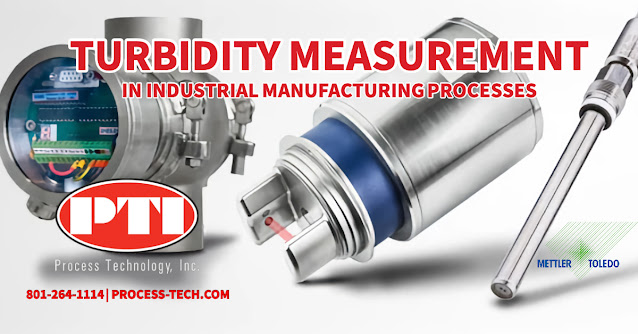
METTLER TOLEDO, a leading provider of precision instruments and services, offers a range of in-line turbidity sensors designed to deliver accurate measurements across a spectrum of turbidity levels, from low to high concentrations and in various industrial applications, such as monitoring fermentation processes in biotechnology and pharmaceutical manufacturing, observing crystallization in chemical and petrochemical industries, tracking phase separation in oil and gas production, evaluating post-filtration clarity in beer brewing, and assessing the quality of wastewater treatment in environmental management.


METTLER TOLEDO's in-line turbidity sensors offer an effective and reliable solution for monitoring and controlling turbidity levels in various industrial processes. By providing accurate, real-time measurements, these sensors help manufacturers maintain product quality, optimize process efficiency, comply with regulations, and minimize environmental impact.


Process Technology, Inc.
801-264-1114

What is Diagnostics and Integrity in Process Control?

Diagnostics and Integrity Solution


Diagnostic and Integrity in process systems is a control philosophy that assesses and monitors machine components, cycle time, and instrumentation and refers to the accuracy and reliability of the diagnostic information generated and used in monitoring and controlling a process. The philosophy includes the validity of the sensors, algorithms, and systems that gather and analyze data to identify potential issues and the ability to correctly diagnose and respond to faults in the process to ensure optimal performance and prevent damage or downtime. Diagnostics integrity refers to the trustworthiness of the diagnostic information and systems used in monitoring and controlling industrial processes and the accuracy and reliability of the measurement and diagnostic data generated by the process control instruments. It is an essential aspect of process control as it ensures the safe and efficient operation of the process by detecting and diagnosing issues in real time.


Diagnostics and Integrity ensure that every component in the system is always working correctly.


Diagnostic and Integrity involves several areas of focus:


  • Valid Sensors and Measurements: Sensors used in the process must be accurate and reliable, providing correct and consistent measurements of process variables. Regular calibration of sensors ensures their continued accuracy.
  • Algorithm Accuracy: Algorithms used to analyze process data and detect potential issues must be accurate and reliable, including algorithms for detecting process anomalies, diagnosing faults, and predicting equipment failures.
  • System Robustness: The process control system must be robust and able to handle unexpected conditions and failures, such as sensor or communication failures, without introducing additional errors or causing the process to become unstable.
  • Response to Faults: The process control system must be capable of correctly diagnosing faults and responding appropriately and safely, which may involve shutting down parts of the process, adjusting process variables, or triggering alarms to alert operators.
  • Data Management: The process control system must collect, store, and manage large amounts of diagnostic data, allowing operators to review and analyze the data to identify trends and potential issues.


The value of implementing Diagnostics and Integrity:


  • OEM/End User value add differentiator.
  • A system that is self-diagnostic (Downtime)
  • Compensate for the gap in technical knowledge in the field.
  • Ensure the components in the system are working correctly (Reliability)
  • Alleviate extended downtime through the implementation of monitoring instrumentation.
  • Alignment with quality requirements (Machine data)
  • Ensure a reliable and repeatable process (Quality)
  • Proactive fault indications prompting immediate action from maintenance and engineering (Downtime)
  • Predictive maintenance and planning.
  • Ensure machine and personnel safety.
  • Onboarding new engineers (Monitoring PLC/HMI).
  • Capture data when the device is performing at its best.
  • Extracting and implementing tribal knowledge in the control platform.
  • Increase OEE (Overall Equipment Effectiveness).
  • Maximize the potential of the machine (Productivity and throughput).
  • Increase profit margins through the understanding of machine capabilities.


PTI's RolePresented with diagnostic issues over many years, PTI gained experience and developed an innovative approach to monitoring machine components and processes during normal operations, leading to the development of a program that provides custom solutions specific to your control processes.

  • Through EvaluationPTI assists in identifying the existing machine component monitoring system and relevant data needed to ensure a robust process.
  • Through TrainingPTI provides targeted instruction on the implementation of Diagnostics and Integrity.
  • Through ImplementationPTI provides a custom self-diagnostic synopsis of your system or overall plant based on your operations, staff, and equipment, guiding your engineering staff through the steps to implement Diagnostics and Integrity in your platforms, ensuring process integrity.

Contact Process Technology for more information. Call them at 801-264-1114 or visit them at https://process-tech.com.