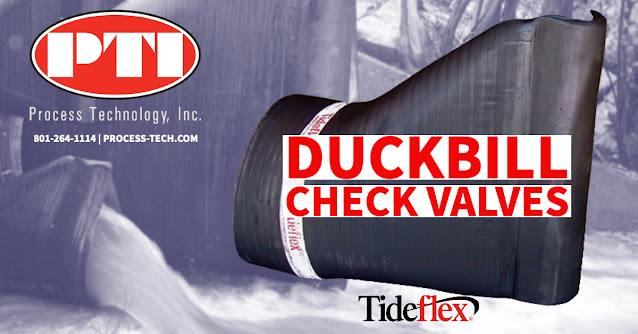
Duckbill check valves allow flow in only one direction through a pipe or tube while preventing any backflow in the opposite direction. When fluid pressure is applied from the upstream side, the duckbill flexes open to allow flow. But if pressure comes from the downstream side, the duckbill flaps seal shut to block reverse flow.
Typical applications for duckbill check valves include:
- Preventing sewer and septic tank backflow
- Inline pump protection
- Sprinkler and irrigation systems
- Drainage and flood control
Duckbill valves' simple, passive operation offers reliable backflow prevention without needing manual intervention, a power source, or maintenance. The elastomeric duckbill is the only moving part. Its flexing action allows it to seal around solids, making it resistant to clogging compared to other check valve designs with hinge mechanisms that can jam.
Duckbill valves find wide use across industrial, municipal, and commercial sectors due to their simple and reliable operation, compact size, and low cost compared to mechanical check valves. Some of the most common applications include:
- Wastewater and stormwater management: Duckbill valves are extensively used in sewer lines, septic systems, and stormwater outfalls to prevent backflow of contaminated water during heavy rains or floods. They are less prone to clogging than flap valves.
- Irrigation and agriculture: In sprinkler systems and agricultural pipelines, duckbill valves maintain consistent flow direction and prevent pump prime loss. They also inhibit dirt, rodents, or other foreign materials from entering pipes.
- Marine and aquatic systems: Duckbill valves are used in boat bilge pump discharge lines, live fish holding tanks, and pond aeration systems. Their unobtrusive profile minimizes flow restrictions.
- Industrial processes: In chemical processing, printing, and manufacturing operations, duckbill valves control gases and liquids, vent tanks and pipelines, and isolate pressure gauges and instruments.
Compared to traditional swing check valves or spring-loaded poppet valves, duckbill valves offer several advantages:
- No mechanical hinge or spring to fail or wear out, giving them superior reliability and service life.
- Low cracking pressure and high flow rate due to streamlined design.
- Tight sealing even around suspended solids and minimal leakage.
- A simple one-piece elastomer duckbill is inexpensive to manufacture and easy to replace.
- Various elastomer choices to suit corrosive chemicals, high temperatures, or food grade needs.
Duckbill check valves' versatility, dependability, and low maintenance requirements make them a popular choice across diverse industries for providing economical, trouble-free backflow prevention and fluid control. While not suited for every application, they offer an elegant solution in many common fluid handling scenarios.
https://process-tech.com
801-264-1114